
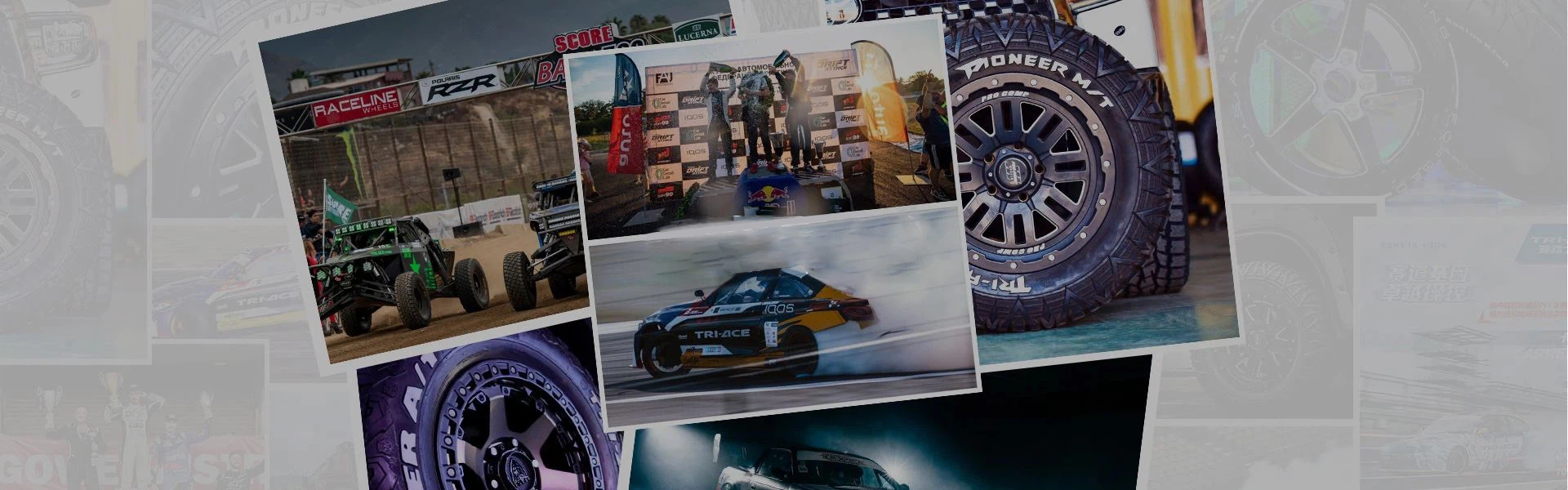
When you see a car equipped with wide, large tires, you may immediately notice its aggressive and powerful appearance. But beyond aesthetics, have you ever wondered what benefits wider tires can actually bring to a vehicle? And are there any disadvantages to consider?
Upgrading to wider tires is a common modification for drivers who want to improve vehicle handling and performance. Compared with standard tires, wider tires generally have a larger contact area with the road and can provide increased tire stiffness. This can improve driving stability, cornering performance, and braking control when the tire size is properly matched to the vehicle.
After installing wider tires, the shape and behavior of the tire contact patch can also change. A wider tread can provide greater resistance to lateral forces, helping reduce tire deformation during cornering and braking. As a result, the vehicle may feel more stable and responsive, particularly during high-speed driving or demanding road conditions.
Here are some of the main benefits of upgrading to wider tires:
1. Improved Driving Stability
Wider tires can provide a more planted feeling on the road. The increased contact area and tire stiffness can improve steering response and give the driver more confidence, especially during medium- and high-speed driving.
For performance-oriented vehicles, wider tires can also provide more precise steering feedback, allowing the driver to better understand how the tires are interacting with the road surface.
2. Better Cornering Performance
One of the most important benefits of wider tires is improved cornering performance.
When a vehicle enters a corner, the tires are subjected to significant lateral forces. Wider tires can offer greater resistance to deformation, helping maintain a more stable contact patch with the road.
This can improve cornering stability and vehicle tracking, allowing the car to maintain its intended line more effectively. For drivers who enjoy spirited driving, track days, or performance-oriented driving, the right wider performance tires can provide a noticeable improvement in handling.
3. Improved Braking Performance
Tires play an important role in transferring braking forces from the vehicle to the road.
With properly selected wider tires, the tire can maintain a more stable contact patch under hard braking. Reduced tire deformation can contribute to better braking stability and allow braking forces to be transferred more effectively to the road surface.
Depending on the vehicle, tire compound, road conditions, and tire specifications, this may help reduce braking distance and improve overall braking confidence.
Are Wider Tires Always Better?
With all these advantages, does that mean wider tires are always better?
Not necessarily.
While wider tires can improve handling, cornering stability, and braking performance, they can also have some disadvantages. A wider tire may increase rolling resistance, which can result in higher fuel consumption. Wider tires can also produce more road noise depending on the tread design, tire compound, road surface, and vehicle.
For this reason, choosing the right tire size is more important than simply choosing the widest tire available.
When upgrading to wider tires, drivers should consider the vehicle's original tire specifications, wheel width, suspension setup, load rating, speed rating, and overall compatibility. It is strongly recommended to follow the vehicle manufacturer's specifications and stay within the approved tire and wheel size range whenever possible.
Choose the Right Wider Tires for Your Vehicle
Wider tires can offer meaningful improvements in handling, cornering stability, steering response, and braking performance when they are properly matched to the vehicle.
However, tire width should always be considered together with tire diameter, aspect ratio, wheel size, tire compound, tread pattern, load capacity, and driving conditions.
Whether you are upgrading a passenger car, SUV, sports car, or performance vehicle, selecting the correct tire specification is essential for achieving the right balance between performance, comfort, safety, and fuel efficiency.
The goal is not simply to install the widest tire possible, but to choose a tire that matches your vehicle and driving requirements.